Technical Product Family
Asphalt Mixing Plants: Engineering Technology, Systems & Selection Guide
Comprehensive technical guide to batch asphalt mixing plants (LB800 to LB5000, 64–400 t/h), covering counter-flow drying, multi-deck screening, forced pugmill mixing, burner optimization, and environmental baghouse dust extraction.
Asphalt Mixing Plants Model Catalog
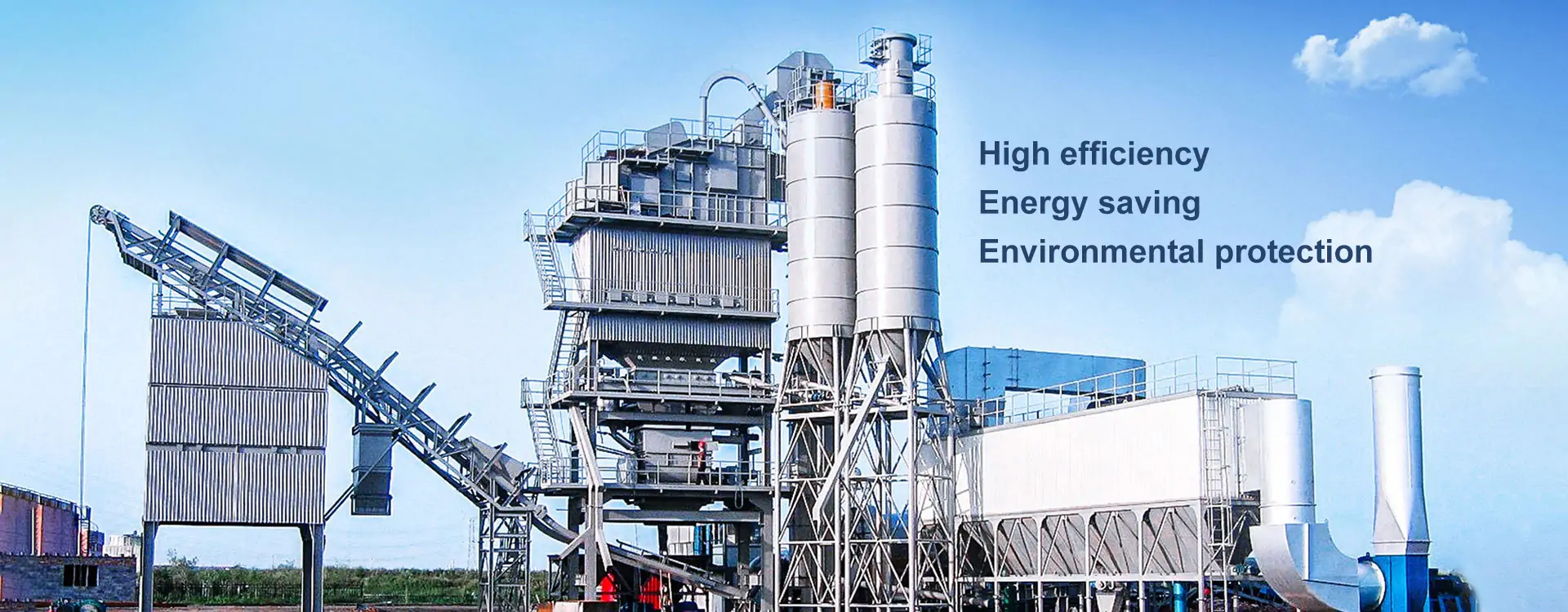
LB800 Asphalt Mixing Plant
64 t/h stationary asphalt batch mix plant engineered for road paving, airport runways, and heavy infrastructure projects.
64 t/h · 1000 kg/batch
LB1000 Asphalt Mixing Plant
80 t/h stationary asphalt batch mix plant engineered for road paving, airport runways, and heavy infrastructure projects.
80 t/h · 1200 kg/batch
LB1500 Asphalt Mixing Plant
120 t/h stationary asphalt batch mix plant engineered for road paving, airport runways, and heavy infrastructure projects.
120 t/h · 1700 kg/batch
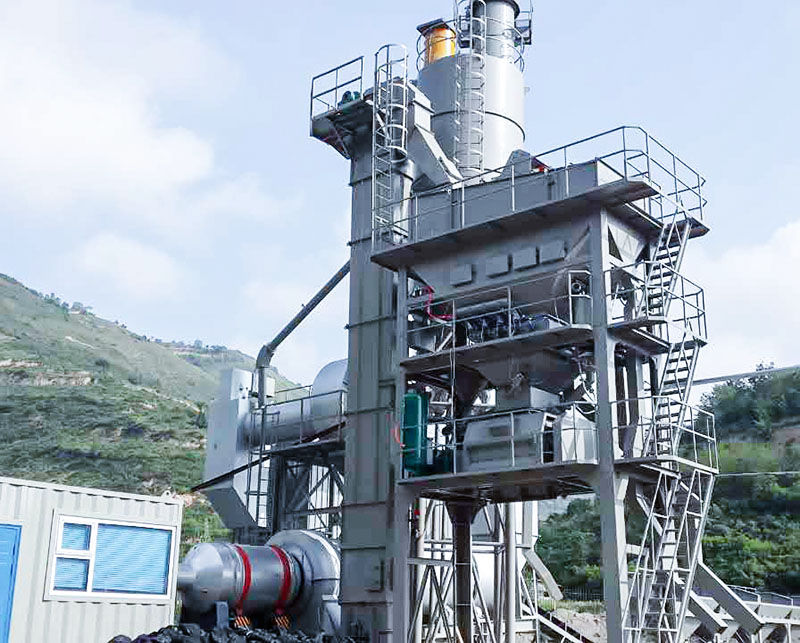
LB2000 Asphalt Mixing Plant
160 t/h stationary asphalt batch mix plant engineered for road paving, airport runways, and heavy infrastructure projects.
160 t/h · 2300 kg/batch
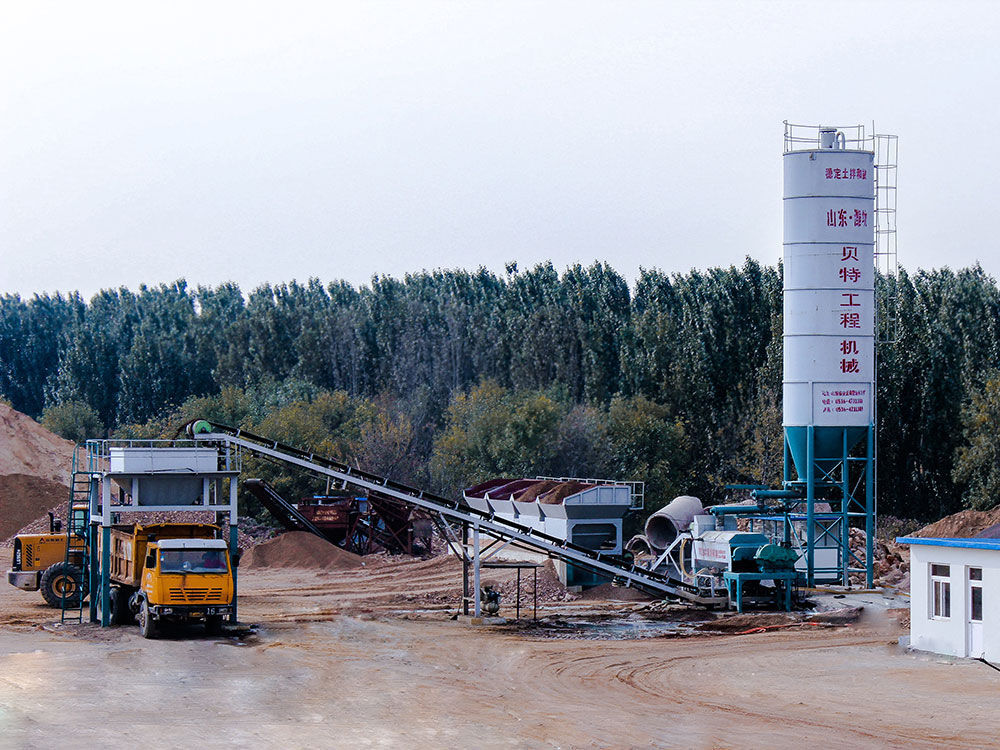
LB2500 Asphalt Mixing Plant
200 t/h stationary asphalt batch mix plant engineered for road paving, airport runways, and heavy infrastructure projects.
200 t/h · 2800 kg/batch
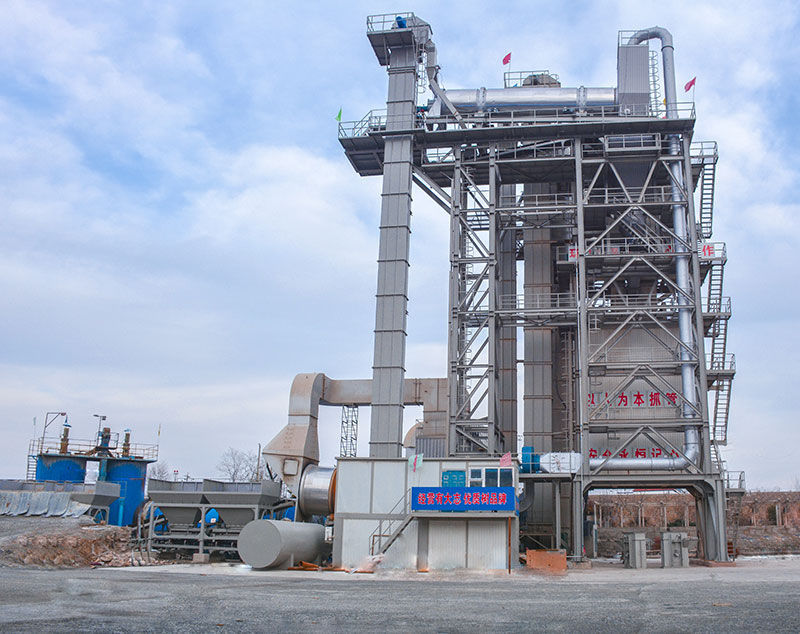
LB3000 Asphalt Mixing Plant
240 t/h stationary asphalt batch mix plant engineered for road paving, airport runways, and heavy infrastructure projects.
240 t/h · 3300 kg/batch
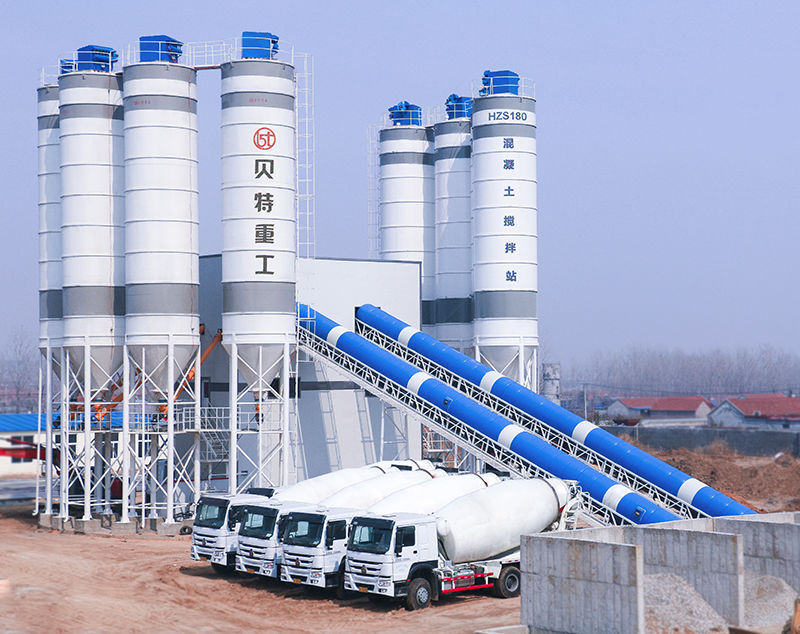
LB4000 Asphalt Mixing Plant
320 t/h stationary asphalt batch mix plant engineered for road paving, airport runways, and heavy infrastructure projects.
320 t/h · 4300 kg/batch
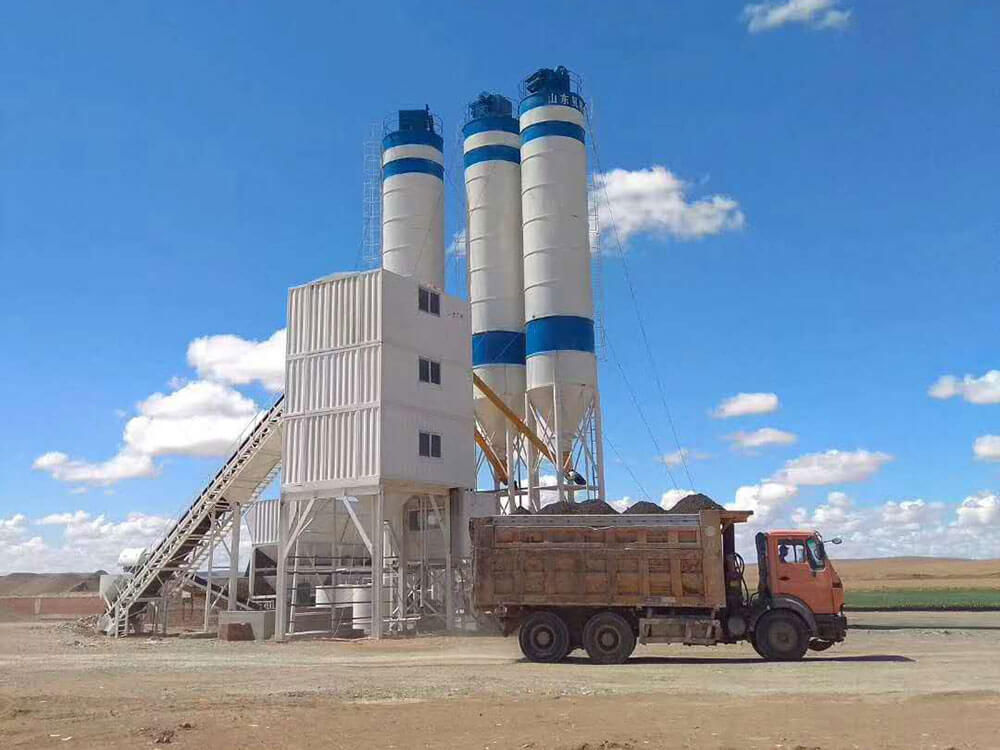
LB5000 Asphalt Mixing Plant
400 t/h stationary asphalt batch mix plant engineered for road paving, airport runways, and heavy infrastructure projects.
400 t/h · 5300 kg/batch
1. Introduction to Industrial Asphalt Batch Mixing Technology
Asphalt mixing plants represent the critical industrial link in modern road, highway, and airport pavement construction. The primary function of an asphalt mixing plant is to heat, dry, screen, proportion, and coat graded mineral aggregates with liquid bituminous binder and mineral fillers at elevated temperatures to produce high-specification hot-mix asphalt (HMA), stone mastic asphalt (SMA), or polymer-modified asphalt (PMA).
Across international civil engineering works, asphalt production equipment is divided into two fundamental technological methodologies: continuous drum mix plants and intermittent batch mix plants. While drum mix plants continuously combine drying and bitumen coating inside a single rotating drum, batch mix plants (such as the Beite LB Series) segregate each functional process—heating, screening, gravimetric weighing, and forced pugmill shearing—into discrete, independently controlled operational stages.
This technological separation provides unmatched flexibility in job mix formula (JMF) compliance, aggregate moisture handling, and mix recipe switching, making batch mix plants the universal choice for state highway departments, national turnpike authorities, and international airport runway contractors.
2. Complete Structural Architecture of an Asphalt Batch Mix Plant
A complete stationary asphalt mixing plant of the Beite LB Series comprises several highly synchronized engineering systems:
1. **Cold Aggregate Feeding System:** A multi-compartment modular hopper system (typically 4 to 6 hoppers) that meters discrete aggregate fractions via variable-speed frequency inverter belt feeders onto a common collecting conveyor.
2. **Counter-Flow Rotary Drying Drum:** A heavy structural steel cylinder inclined at a gentle slope (typically 3° to 4°), rotated on four forged steel trunnion rollers. Counter-flow aerodynamics allow aggregate to travel downward against the upstream flow of high-temperature combustion flue gases.
3. **High-Efficiency Burner System:** An automated multi-fuel combustion unit capable of firing heavy fuel oil, diesel, natural gas, or pulverized coal with proportional air-fuel modulation and electronic UV flame safeguarding.
4. **Hot Aggregate Vertical Bucket Elevator:** A totally enclosed, double-strand high-strength alloy chain elevator equipped with wear-resistant steel buckets and backstop anti-rollback protection to elevate heated aggregate to the top of the mixing tower.
5. **Linear Vibrating Screening Machine:** A multi-deck (4 to 6 fractions) vibratory separator driven by dual eccentric motors, classifying hot aggregates into distinct size bins according to project sieve specifications.
6. **Hot Aggregate Storage Bins:** Insulated storage compartments located directly beneath the screen, fitted with continuous radar level indicators, temperature sensors, and pneumatic discharge gates.
7. **Precision Gravimetric Weighing Hoppers:** Separate, load-cell suspended weighing vessels for hot aggregates, mineral filler, liquid bitumen, and specialized fiber/chemical additives.
8. **Twin-Shaft Forced Pugmill Mixer:** A high-torque twin-shaft horizontal mixing unit featuring counter-rotating shafts equipped with high-chromium wear-resistant paddle arms and tips.
9. **Bitumen Storage & Thermal Heating System:** Insulated horizontal or vertical bitumen tanks with internal thermal oil heating coils and high-efficiency hot oil furnaces.
10. **Two-Stage Environmental Dust Collection:** Primary volute inertial cyclone dust extractor combined with a secondary high-density pulse-jet Nomex fabric baghouse filter, ensuring exhaust emissions below 20 mg/Nm³.
3. Thermodynamic Analysis: Drying Drum Flights & Burner Efficiency
The drying drum is the single largest energy consumer in an asphalt mixing plant, accounting for over 60% of total plant fuel expenditure. Optimizing drying thermodynamics is therefore essential for profitable plant operations.
Inside the Beite LB series drying drum, aggregate experiences four distinct thermal zones:
- **Feeding & Chute Zone:** Features steep spiral flights that rapidly convey damp cold aggregate away from the burner inlet chute, preventing material backup.
- **Preheating Zone:** Tapered lifting flights begin cascading aggregate, exposing it to hot exhaust gases before it encounters direct radiant heat.
- **Intense Veiling (Combustion) Zone:** Specially shaped toothed or L-shaped lifting flights lift rock to the apex of the drum and shower it downward in a dense, uniform 'curtain' across the entire drum diameter. This veiling action maximizes convective surface area contact with combustion gases while shielding drum steel walls from direct flame radiation.
- **Discharge Zone:** Low-profile discharge flights smoothly guide heated dry aggregate (typically 160°C–180°C) into the boot chute of the hot bucket elevator.
Proper flight adjustment ensures that exhaust gas temperatures entering the dust collector remain within the optimal 120°C to 160°C window. Temperatures below 110°C risk acid condensation and baghouse blinding, while temperatures exceeding 190°C waste fuel and risk thermal degradation of Nomex filter bags.
4. Pugmill Mixing Dynamics: Aggregate Coating & Homogeneity
The pugmill mixer is the mechanical heart of the mixing tower. Achieving homogenous distribution of micro-fine mineral filler and viscous bitumen across coarse and fine aggregate matrices requires high-shear forced agitation.
Beite LB series pugmills utilize dual synchronized contra-rotating shafts driven by electric gearmotors via heavy-duty timing gears. The mixing blades are arranged in a multi-helix spiral configuration. As the shafts rotate at 40–55 RPM, material is propelled along the perimeter of the tub before being drawn inward through the overlapping center intersection, establishing a three-dimensional fluidized mixing vortex.
Bitumen is introduced via a pressurized multi-orifice spray bar that atomizes liquid asphalt across the entire length of the mixing chamber, guaranteeing immediate and uniform aggregate wetting. Standard dry-mix cycles of 3–5 seconds followed by wet-mix cycles of 35–45 seconds achieve 100% aggregate coating, meeting the most rigorous AASHTO and European EN asphalt homogeneity benchmarks.
5. Capacity Selection & Model Overview (LB800 to LB5000)
Shandong Beite Heavy Industry manufactures the LB Series across a full capacity spectrum to match diverse commercial paving scales:
| Model | Production Capacity | Mixer Batch Size | Dryer Size (Φ×L) | Burner Power | Total Power |
| :--- | :--- | :--- | :--- | :--- | :--- |
| **LB800** | 64 t/h | 1000 kg/batch | 1.6 × 6.5 m | 7 MW | 260 kW |
| **LB1000** | 80 t/h | 1200 kg/batch | 1.6 × 6.5 m | 7 MW | 270 kW |
| **LB1500** | 120 t/h | 1700 kg/batch | 1.8 × 7.2 m | 11 MW | 310 kW |
| **LB2000** | 160 t/h | 2300 kg/batch | 2.2 × 8.0 m | 14 MW | 470 kW |
| **LB2500** | 200 t/h | 2800 kg/batch | 2.2 × 10.0 m | 18 MW | 510 kW |
| **LB3000** | 240 t/h | 3300 kg/batch | 2.5 × 10.0 m | 20 MW | 610 kW |
| **LB4000** | 320 t/h | 4300 kg/batch | 2.75 × 11.0 m | 28 MW | 740 kW |
| **LB5000** | 400 t/h | 5300 kg/batch | 2.9 × 12.0 m | 35 MW | 830 kW |
Selecting the ideal model requires evaluating daily paving volume requirements, haul truck turnaround times, paver width and speed, and local weather operating windows.
6. Environmental Compliance, Dust Extraction & Fume Control
Environmental regulations in modern road construction mandate rigorous air quality protection. Beite asphalt plants integrate a comprehensive two-stage dust extraction and emission control architecture:
- **Primary Stage:** Large-diameter volute cyclone extractors separate coarse fugitive dust particles (>75 μm) from the dryer exhaust stream using inertial centrifugal force. These coarse aggregates are ducted directly into the hot bucket elevator boot, returning valuable mineral fractions into the hot bins without baghouse loading.
- **Secondary Stage:** A high-temperature pulse-jet fabric baghouse filter utilizing genuine DuPont Nomex needle-punched filter bags rated for 200°C continuous operation. Automated differential pressure sensors trigger reverse compressed air jet pulses, dislodging fine mineral dust into bottom screw conveyors for use as reclaimed filler.
- **Blue Smoke & Odor Recovery:** Fugitive hydrocarbon vapors generated at the mixer discharge gate and storage silo head are captured under negative draft and ducted directly into the burner combustion zone, achieving complete thermal oxidation and zero visible blue smoke.
7. International Procurement, Factory Direct Supply & Technical Contact
Shandong Beite Heavy Industry Co., Ltd. provides comprehensive international EPC support for asphalt mixing equipment. Every export order includes modular containerized packaging, seaworthy anti-corrosion protection, foundation engineering calculations, electrical wiring schematics, and factory engineer field dispatch for installation, dry-testing, commissioning, and operator training.
For comprehensive technical specifications, customized layout drawings, or direct commercial quotations, please contact Andy, International Sales & Technical Services:
- **International Sales Contact:** Andy
- **WhatsApp Direct:** +86 15116183980
- **Email:** lkvicky2003@gmail.com
- **Manufacturer:** Shandong Beite Heavy Industry Co., Ltd., Shandong Province, China.
Extended Engineering Assessment: Metallurgical Integrity, Vibration Damping & Structural Load Dynamics in Asphalt Mixing Plants: Engineering Technology, Systems & Selection Guide
A critical yet frequently under-evaluated aspect of industrial plant operation in Asphalt Mixing Plants: Engineering Technology, Systems & Selection Guide concerns dynamic stress propagation and structural fatigue across multi-year continuous operation. In heavy mixing towers and high-capacity aggregate handling facilities, cyclic harmonic frequencies induced by dual-eccentric vibrating screens, rotary drum drive rollers, and high-torque pugmill reversal shocks impose severe alternating shear and torsional moments onto supporting steel structures.
Shandong Beite Heavy Industry Co., Ltd. addresses structural dynamics through advanced finite element method (FEM) stress modeling. All structural uprights and primary tower girders utilize heavy wide-flange Q355B low-alloy high-strength structural steel beams rather than lightweight folded sheet profiles. Crucially, all high-frequency vibrating equipment (such as linear sizing screens and vibrating bin dischargers) are mounted on heavy composite polyurethane elastomer buffer springs or multi-coil helical steel springs. This elastomeric isolation arrangement achieves a vibration isolation efficiency exceeding 94%, preventing harmonic resonance from transmitting into adjacent gravimetric weighing hoppers. Without such isolation, micro-vibrations would induce significant digital signal flutter on strain-gauge load cells, requiring aggressive digital filtering that slows batch cutoff speeds.
Furthermore, metallurgical selection across high-wear zones strictly complies with international abrasion standards. Internal transfer chutes, bin discharge funnels, and pugmill mixing liners are lined with replaceable modular wear plates fabricated from vacuum-cast high-chromium alloy cast iron (Cr26) or hardened abrasion-resistant steel (Hardox 450/500 equivalent). Fastened via counter-sunk high-tensile impact bolts, these modular wear plates allow maintenance crews to execute localized replacements in high-scour impact zones without replacing entire bin assemblies. For international infrastructure contractors operating under multi-year project concessions, this engineering rigor directly prevents catastrophic fatigue cracking and extends structural design life beyond 15 to 20 operating seasons.
Site Commissioning, Electrical Earthing & SCADA Diagnostics for Asphalt Mixing Plants: Engineering Technology, Systems & Selection Guide
During overseas deployment, the transition from mechanical installation to full-capacity commercial production requires disciplined multi-stage cold and hot commissioning protocols. In international projects across regions such as Central Asia, the Middle East, Southeast Asia, and Africa, local grid instability, harmonic voltage distortion, and ambient temperature extremes pose operational challenges.
The electrical control architecture engineered by Beite for Asphalt Mixing Plants: Engineering Technology, Systems & Selection Guide incorporates an isolated industrial control circuit with heavy-duty line reactors, uninterruptible power supply (UPS) battery backup for the central PLC processor, and independent clean-earth grounding grids (<4 Ohms resistance). During initial cold commissioning, every digital and analog I/O point—including inductive proximity limit switches, thermocouple temperature sensors, load cell amplifier transmitters, and pneumatic solenoid pilot valves—is validated through the SCADA diagnostic interface before any mechanical prime mover is energized.
The hot commissioning stage follows a progressive load-increment protocol:
1. **Dry Rotation & Thermal Heat-Up:** Mechanical drives are run unloaded for four continuous hours while bearing temperatures and vibration velocities are monitored with calibrated handheld accelerometers. For thermal systems, the burner is ignited at minimum firing rate to cure refractory mortar and verify flue gas draft pressure.
2. **Batch Tare Calibration & Dynamic In-Flight Tuning:** Certified calibration test weights are applied to aggregate, cement, filler, and bitumen scales to establish multi-point linearity across the entire 0% to 100% capacity range. Automated PLC algorithms then calibrate dynamic in-flight cutoffs using real material feeds.
3. **Full-Capacity Trial Production & Job Mix Formula (JMF) Verification:** The plant is stepped up to nominal rated output under continuous logging. Material samples taken from the mixer discharge chute undergo immediate sieve gradation analysis, binder extraction testing, and Marshall or compressive strength specimen casting in the on-site quality control laboratory. Commercial clearance is granted only when three consecutive production runs demonstrate standard deviations within strict specification bounds.
Model Comparison and Capacity Selection
| Model | Capacity | Mixing Unit | Installed Power | Key Configuration |
|---|---|---|---|---|
| LB800 | 64 t/h | 1000 kg/batch | 260 kW | Contact us for configuration-specific data. |
| LB1000 | 80 t/h | 1200 kg/batch | 270 kW | Contact us for configuration-specific data. |
| LB1500 | 120 t/h | 1700 kg/batch | 310 kW | Contact us for configuration-specific data. |
| LB2000 | 160 t/h | 2300 kg/batch | 470 kW | Contact us for configuration-specific data. |
| LB2500 | 200 t/h | 2800 kg/batch | 510 kW | Contact us for configuration-specific data. |
| LB3000 | 240 t/h | 3300 kg/batch | 610 kW | Contact us for configuration-specific data. |
| LB4000 | 320 t/h | 4300 kg/batch | 740 kW | Contact us for configuration-specific data. |
| LB5000 | 400 t/h | 5300 kg/batch | 830 kW | Contact us for configuration-specific data. |
Request a Technical Proposal
Send your project requirements to Beite Heavy Industry's international sales desk. Andy will provide a model recommendation, configuration information, and a technical proposal.
International Sales Contact: Andy · WhatsApp: +86 15116183980 · lkvicky2003@gmail.com