Asphalt Plant Components
High-Efficiency Burner System
Multi-fuel automated proportional modulation burner supporting light diesel, heavy fuel oil, and natural gas.
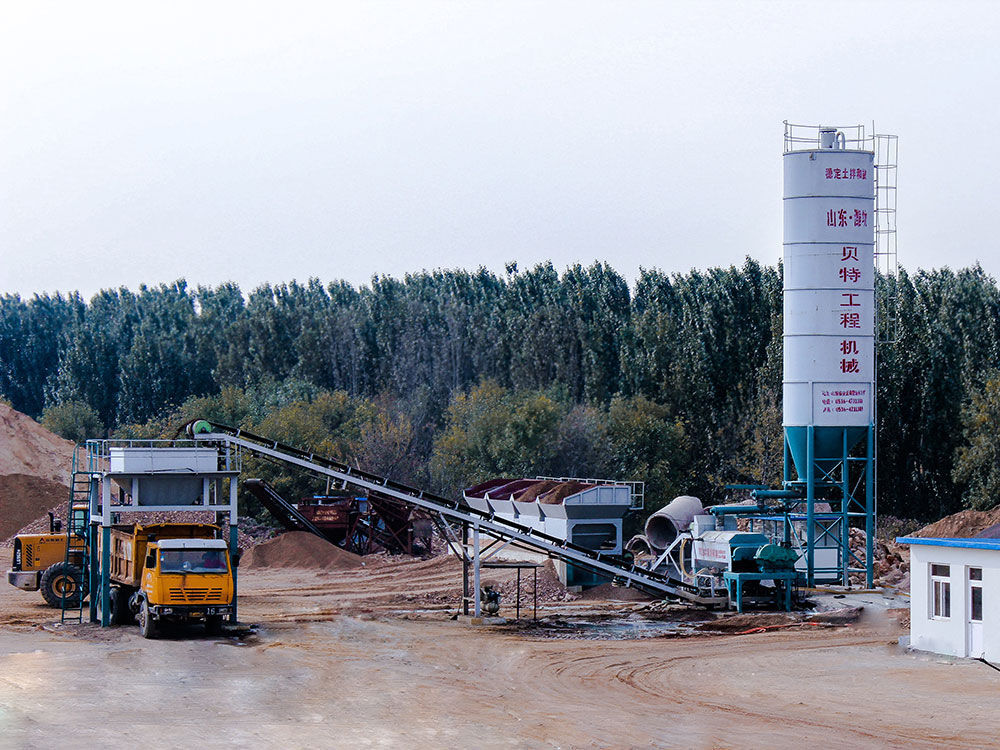
1. Engineering Function & Mechanical Architecture of High-Efficiency Burner System
The High-Efficiency Burner System engineered by Shandong Beite Heavy Industry Co., Ltd. serves as an essential functional subsystem within high-capacity mixing installations. In continuous or batch industrial production, overall plant uptime and batch precision depend on the individual reliability of every component. The High-Efficiency Burner System is constructed from heavy structural steel members, precision-machined forged shafts, and standardized industrial drive components to deliver uninterrupted service life across years of abrasive duty.
All mechanical tolerances adhere to international industrial standards. Wear surfaces in direct contact with tumbling abrasive rock, liquid binder, or mineral powder feature replaceable high-chromium alloy liners or specialized hardened metallurgy. Maintenance crews benefit from modular access panels, standardized bearing blocks, and pre-wired industrial junction boxes that streamline routine servicing.
2. Operational Principle & Thermodynamic / Gravimetric Dynamics of High-Efficiency Burner System
During plant operation, the High-Efficiency Burner System operates in closed-loop coordination with the master computerized control console. Whether controlling continuous dynamic material flow or executing rapid batch cycles, the subsystem balances material feed velocity, kinetic blending energy, and environmental containment.
By utilizing precision sensor feedback—including digital load cells, inductive proximity switches, ultrasonic level probes, and infrared pyrometers—the High-Efficiency Burner System prevents material surges, eliminates equipment jams, and guarantees repeatable compliance with highway authority mix design tolerances.
3. Technical Parameters & Structural Sizing for High-Efficiency Burner System
Key engineering parameters for the High-Efficiency Burner System reflect factory standardized specifications designed for heavy field duties:
- **Application Category:** Asphalt Plant Components
- **Structural Construction:** Heavy structural profile steel (Q235B / Q355B) shot-blasted to Sa 2.5 standard
- **Drive Mechanisms:** High-efficiency IEC flanged electric motors with helical bevel gearboxes
- **Wear Protection:** Replaceable Cr20/Cr26 high-chromium alloy wear elements (>58 HRC)
- **Control Integration:** Fully integrated with Siemens / Omron PLC central automation network via Profinet / Modbus
- **Service Access:** Full perimeter platforms, safety handrails, and interlocked maintenance inspection doors.
4. Preventive Maintenance, Inspection Intervals & Spares Management for High-Efficiency Burner System
To maintain continuous operation and avoid unplanned downtime during tight paving windows, Beite recommends a disciplined maintenance schedule:
- **Daily Check:** Verify lubrication grease pressure, check seal tightness, inspect electrical sensor indicator lights, and ensure material flow chutes are clear.
- **Weekly Inspection:** Measure wear clearances on paddle tips, scraper blades, and conveyor skirtings; re-torque high-strength structural bolts.
- **Monthly Service:** Check gearbox synthetic oil levels, inspect drive chain / coupling alignment, and test emergency pull-cord safety lanyard switches.
- **Recommended Spares:** Maintain on-site replacement wear plates, drive belts, solenoid valves, proximity sensors, and seal kits available for rapid swap-out.
5. Factory Direct Technical Proposals & International Support for High-Efficiency Burner System
Whether procuring a complete mixing plant or ordering engineered retrofit components for an existing facility, buyers communicate directly with our International Export Department led by Andy. Beite supplies full CAD interface drawings, electrical wiring schematics, and foundation mounting details to ensure seamless on-site mechanical integration.
6. Metallurgical Wear Analysis & Material Specifications for High-Efficiency Burner System
In abrasive industrial aggregate processing, component wear represents the primary driver of routine maintenance downtime and spare parts expenditure. For the High-Efficiency Burner System, Beite engineers employ proprietary high-chromium white cast iron formulations (Cr20 to Cr26 with molybdenum and nickel additions) subjected to precision induction hardening and secondary tempering.
Surface hardness across primary wear surfaces is certified at 58 to 62 HRC, providing exceptional resistance to low-stress scratching abrasion and gouging wear induced by sharp quartzite, granite, and basalt aggregates. Shaft components are forged from high-tensile 40Cr or 42CrMo alloy steel, ultrasonic tested for internal porosity, and precision ground to ensure runout tolerances within 0.02 mm across bearing journal journals.
7. Electrical Automation, Sensor Integration & Field Commissioning for High-Efficiency Burner System
The High-Efficiency Burner System incorporates robust industrial instrumentation designed to survive high-vibration, high-dust environments. Digital load cells feature hermetically sealed stainless steel enclosures rated to IP68/IP69K, ensuring zero signal drift in tropical rainstorms or dusty quarries.
All sensor conduits terminate in central, pre-wired junction boxes featuring clear alphanumeric wire labeling matching international IEC electrical schematics. During overseas commissioning, Beite field engineers verify sensor communication over high-speed industrial fieldbus networks (Profinet / Modbus RTU), calibrate mechanical alignment, and train buyer maintenance personnel in preventive inspection techniques.
8. Factory Procurement & Andy Direct Support for High-Efficiency Burner System
Whether ordering replacement subassemblies for an existing mixing plant or specifying custom modifications for a new plant installation, international buyers receive direct technical assistance from Andy (lkvicky2003@gmail.com · WhatsApp: +86 15116183980). We provide complete CAD dimensional drawings, interface bolt patterns, and container packing plans.
Comprehensive Engineering Evaluation & International Pavement Specifications - High-Efficiency Burner System
When designing and executing major national expressway corridors, airport runway pavements, and heavy municipal road networks, strict adherence to international engineering criteria is paramount. Specifications defined under AASHTO (American Association of State Highway and Transportation Officials), ASTM International, and European Standard EN 12697 impose stringent requirements on aggregate cleanliness, particle shape, gradation consistency, asphalt binder film thickness, and compaction density.
Meeting these exacting tolerances requires mechanical systems capable of delivering uniform kinetic energy and thermodynamic heat transfer throughout every production cycle. The raw materials must undergo continuous monitoring: fine aggregates with variable surface moisture require rapid burner modulation, while coarse aggregate fractions must be protected from mechanical degradation during drying. By maintaining a stable, unbroken material curtain inside the counter-flow drying drum and utilizing multi-deck linear vibrating screens, modern batching equipment guarantees that asphalt mixtures leave the facility with optimal Marshall stability, high resilient modulus, and superior resistance to rutting, fatigue cracking, and moisture damage.
Furthermore, lifecycle engineering demands that equipment operate with minimal thermal loss and low electrical energy consumption. Incorporating thick rock wool and ceramic fiber insulation blankets around drying drums, hot elevators, and hot aggregate surge bins minimizes heat radiation losses, allowing contractors to achieve substantial fuel savings over thousands of operating hours.
Subsystem Kinematics, Electrical Control Architecture & Environmental Containment - High-Efficiency Burner System
The operational reliability of heavy mixing machinery depends on the seamless integration of mechanical drives, high-resolution instrumentation, and automated PLC control systems. Electric motor drives are selected with generous service factors (typically 1.15 to 1.25) to withstand sudden peak starting torques and brief mechanical overloads without thermal tripping. Helical-bevel gearboxes with hardened, ground gear teeth provide high transmission efficiency, quiet running, and prolonged service intervals under continuous heavy-duty cycles.
In the automated control cabin, industrial-grade programmable logic controllers (such as Siemens S7-1500 architectures) continuously execute real-time control algorithms. Multi-channel analog inputs gather data from hermetically sealed digital load cells, infrared temperature pyrometers, differential pressure transducers, and motor current sensors. Advanced software routines automatically calculate inflight material compensation, dynamically adjusting cut-off gates to achieve gravimetric weighing precision within ±0.5% for aggregates and ±0.2% for bitumen and mineral filler.
From an environmental perspective, modern equipment incorporates totally enclosed material transfer points operating under negative air pressure. Primary inertial dust collectors capture coarse aggregate particles and return them directly to the hot elevator, while high-efficiency pulse-jet baghouses equipped with heat-resistant Nomex or Aramid filter media extract fine particulate matter down to less than 20 mg/Nm³, fully satisfying World Bank environmental guidelines and strict metropolitan emission standards.
Field Troubleshooting, Emergency Procedures & Preventative Wear Checklists - High-Efficiency Burner System
To assist overseas plant managers, maintenance engineers, and lead operators in maintaining peak operational readiness, Shandong Beite Heavy Industry Co., Ltd. provides the following systematic troubleshooting and preventive maintenance protocols based on decades of field data across global infrastructure projects:
1. Aggregate Flow Instabilities & Bin Bridging Prevention:
When handling fine mineral sands or crushed aggregates with surface moisture exceeding 4.5%, material bridging, funnel flow, and rat-holing frequently occur inside cold feed hoppers. To prevent feed starvation and burner flame-outs:
- Ensure all fine sand hoppers have pneumatic flow vibrators or eccentric rotary shakers activated on calibrated duty cycles (e.g., 5 seconds vibration per 30 seconds of belt feeder runtime).
- Check the vertical clearance between the hopper radial discharge gate and the extraction belt; ensure an expanding tapered opening in the direction of belt travel to prevent aggregate wedging.
- For damp aggregate storage, maintain covered storage bays with sloped concrete drainage floors to minimize incoming moisture content before materials reach the cold feed bins.
2. Burner Flame Stability & Exhaust Gas Dynamics:
Optimal thermodynamic drying requires clean, complete combustion with zero carbon monoxide (CO) generation and zero unburned fuel impingement on cold aggregate surfaces. If flame instability or smoking occurs:
- Inspect burner atomization nozzle pressure (minimum 2.0 to 2.5 MPa for heavy fuel oil, or 0.4 to 0.8 MPa for light diesel) and verify that fuel preheating temperatures for heavy oil are maintained strictly between 110°C and 130°C to achieve proper viscosity.
- Check the air-to-fuel ratio control linkage or electronic servo actuators; verify that the primary combustion air blower and induced draft (ID) exhaust fan maintain a slight negative draft (-20 to -50 Pa) at the dryer drum inlet.
- Inspect the high-temperature thermocouple at the drum aggregate discharge chute; recalibrate digital temperature transmitters every 6 months to prevent overheating binder or under-drying aggregate.
3. Pugmill & Compulsory Mixer Maintenance:
The forced twin-shaft mixer operates under intense abrasive and hydrodynamic forces. To protect structural integrity:
- Inspect paddle blade-to-liner clearances daily. When clearances exceed 8 mm due to abrasive wear, loosen mounting bolts, adjust shims, or rotate reversible wear tips to re-establish the nominal 3 to 5 mm working clearance.
- Check the automated centralized grease lubrication pump prior to every production shift. Verify that positive grease pressure reaches all four shaft-end labyrinth seals, preventing abrasive rock dust and cement fines from migrating into the heavy spherical roller bearing housings.
- Prior to morning startups, verify pneumatic discharge door cylinder operation and inspect proximity limit switches for positive gate closure feedback.
4. Environmental Emission & Baghouse Differential Pressure Management:
Pulse-jet baghouse filters should operate with a steady differential pressure across the tubesheet between 800 and 1,500 Pa. If differential pressure rises above 1,800 Pa:
- Inspect compressed air supply pressure (minimum 0.5 to 0.7 MPa) and check the moisture separator trap to ensure bone-dry pulsing air.
- Check pulse controller cycle timer settings; reduce pulse interval timing from 15 seconds to 8–10 seconds during high-moisture production runs.
- Inspect the high-temperature emergency bypass damper. Verify that the automated cold-air bleed damper modulates smoothly if flue gas temperatures approach 190°C, protecting heat-resistant Nomex filter bags from accidental thermal degradation.
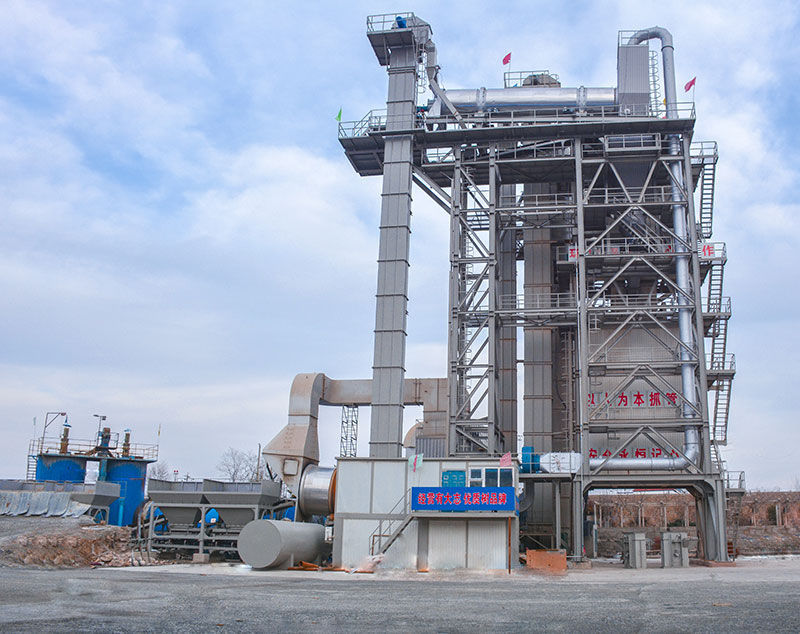
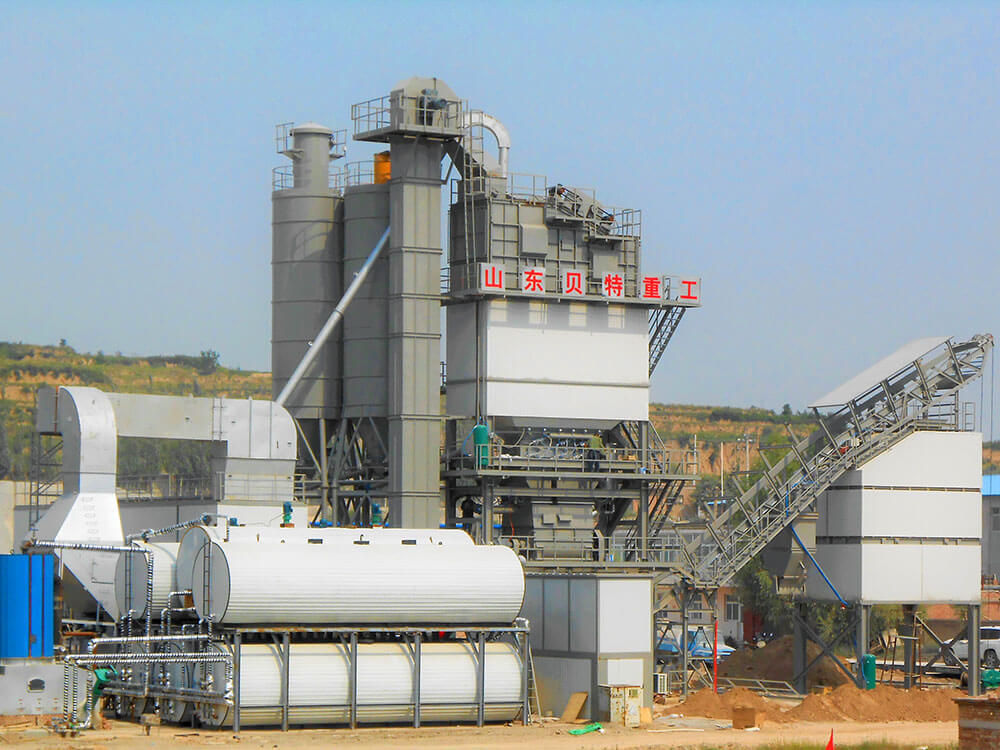
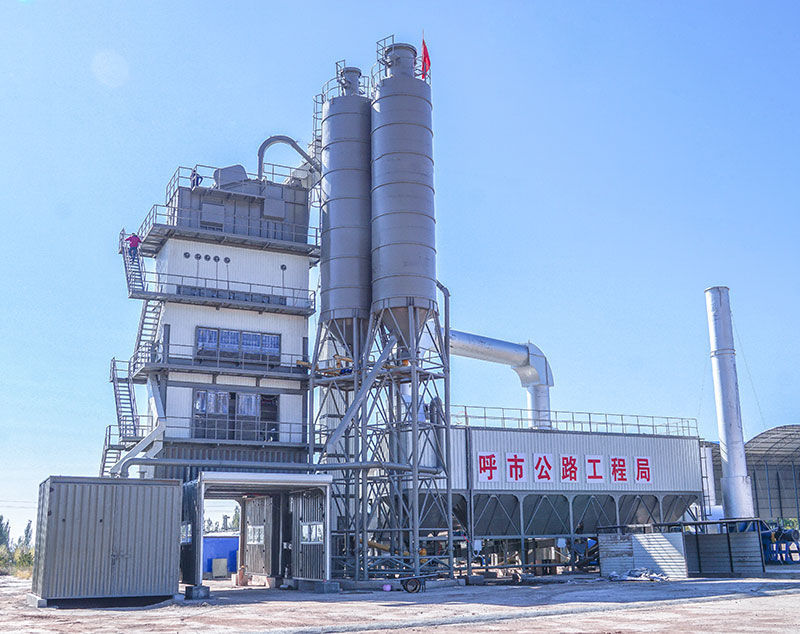
Official Beite Equipment Photography
Request a Technical Proposal
Send your project requirements to Beite Heavy Industry's international sales desk. Andy will provide a model recommendation, configuration information, and a technical proposal.
International Sales Contact: Andy · WhatsApp: +86 15116183980 · lkvicky2003@gmail.com