RAP Recycling Plant · Source-backed Engineering Product Page
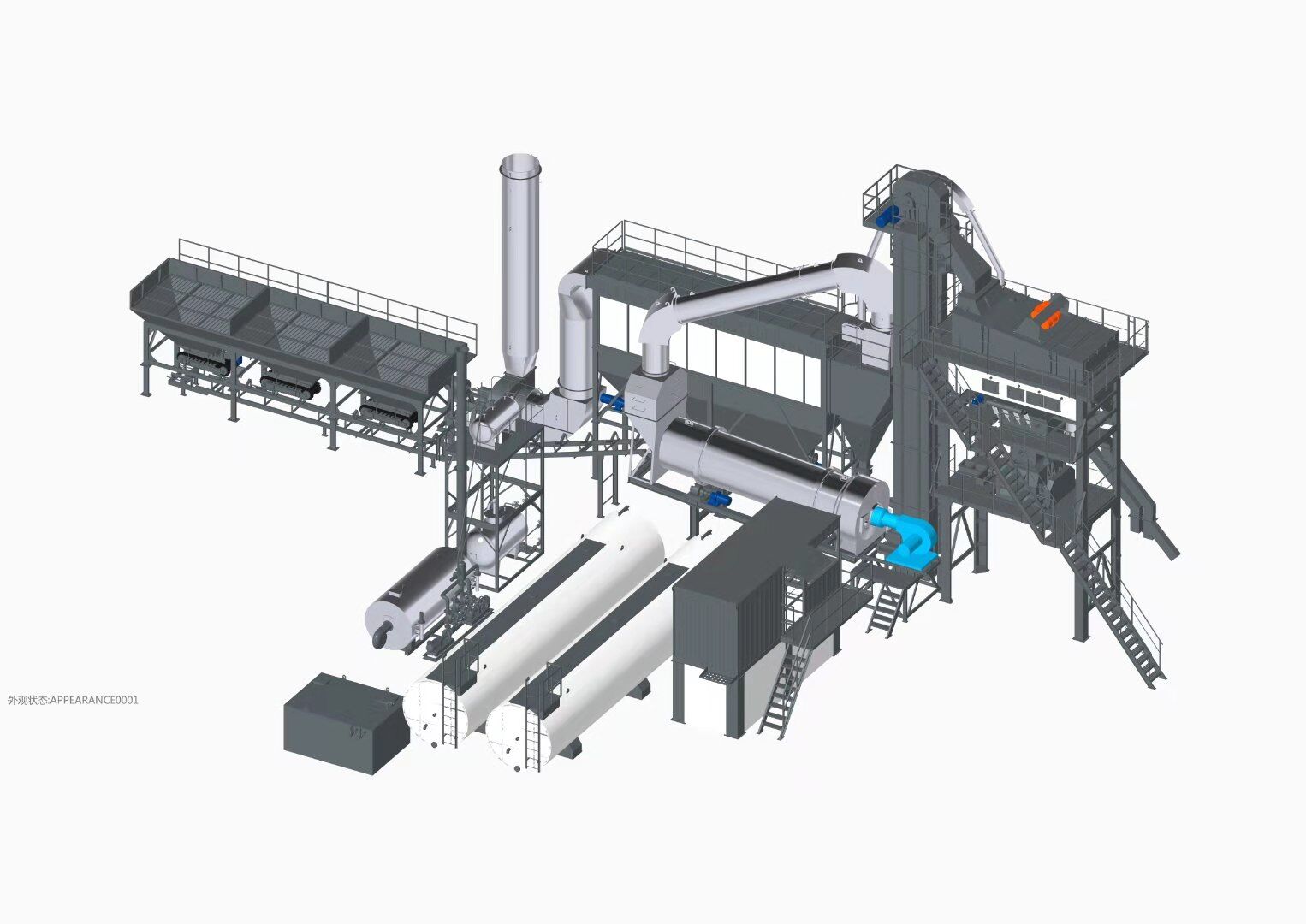
RZB2500 RAP Hot Recycling Plant
RZB2500 RAP Hot Recycling Plant with source-backed reference parameters for reclaimed asphalt pavement recycling projects.
Rated capacity: 200 t/h · Model: RZB2500
Official Beite reference data; final configuration may vary. HCR400/HCR400S variant values are not separately mapped by source.
Key Technical Parameters
Source boundary: Official Beite reference data; final configuration may vary. HCR400/HCR400S variant values are not separately mapped by source.
| Rated Capacity | 200 t/h |
|---|---|
| RAP Hopper | 3 × 10 m³ |
| Reclaimed Material Drying Drum | Φ2.6 × 12.0 m |
| Recycled Material Hot Bin | 10 m³ |
| Burner Output | 20 MW |
| Fuel | Light oil, heavy oil or natural gas |
| Waste Gas Treatment | Secondary combustion + bag filter |
| Matched Original Model | LB5000 |
| Installed Power | 240 kW |
1. Product Overview: RZB2500 RAP Hot Recycling Plant
The RZB2500 RAP Hot Recycling Plant is a source-supported Beite reclaimed asphalt pavement (RAP) recycling configuration. Official reference information identifies the RZB2500 model and its nominal capacity of 200 t/h. RAP equipment must be configured around actual incoming reclaimed-material particle size, moisture condition, aged binder condition, proposed recycling percentage, environmental controls, and the capacity of the matched asphalt production line. The model-specific specification table below contains only parameters documented by official Beite source material.
The published figures are reference parameters only. Shandong Beite Heavy Industry states that final delivered figures depend on the selected configuration. Buyers should therefore use this page as a technical starting point and request a configuration-specific proposal before tendering or procurement.
2. RAP Material Flow and Process Engineering
A RAP process begins with controlled stockpile management, fractioning and feeder metering. Reclaimed pavement material should be screened and managed so oversized lumps, excess moisture and variable particle gradation do not destabilize the recycling line. In a hot recycling process, reclaimed material enters a dedicated heating and conveying route before being introduced into the mixing system under controlled conditions. The configuration must maintain appropriate thermal treatment while protecting aged binder from excessive direct heat exposure.
In cold recycling, material is metered continuously with water, filler or cement and emulsified bitumen or foamed binder as required by the project process. The essential objective is a uniform, stable base or subbase material that can be placed and compacted within the design moisture window.
3. Official Reference Parameters
The following values are drawn from official Beite source material for the RZB2500 designation. Values that are not documented as model-specific are deliberately not inferred.
- Model: RZB2500
- Rated / production capacity: 200 t/h
- All remaining configuration values: see the technical parameter table above or contact Beite for configuration-specific data.
For hot recycling projects, the Beite RAP category describes process-level old-material proportions of up to 30%–50%; this is a process-level reference rather than a universal model-specific guarantee. For cold recycling, the category describes old-asphalt utilization of up to 100% as a process-level statement. Actual feasible use depends on material testing and the selected plant configuration.
4. Configuration Selection, Installation and Maintenance
Before installation, determine the location and drainage of RAP stockpiles, equipment foundation loads, electrical supply, fuel or emulsion supply, dust extraction connection, finished-material dispatch route and safe maintenance access. A dedicated test production plan should validate aggregate gradation, material feed consistency, mix moisture and binder response before full field production.
Preventive maintenance should concentrate on feed hopper discharge areas, belt tracking, drum or mixer drive assemblies, load cells, screw feeders, filter differential pressure and protective thermal components. Maintain a strategic parts package for wear liners, sensors, belt cleaners, filter elements, solenoid valves and sealing parts.
5. Frequently Asked Questions and Technical Proposal
Q: Can the RZB2500 be selected based on a nominal capacity alone?
A: No. A nominal capacity is only one part of the selection. Beite should review incoming RAP, target recycled fraction, base asphalt plant compatibility, local emissions requirements and site infrastructure before defining a final configuration.
Q: Are the figures on this page guaranteed delivered values?
A: No. Official Beite product materials state that tabulated values are reference data and actual configuration controls final values.
Q: How can a contractor request the correct solution?
A: Send the intended application, required output, RAP material condition, location, power standard and desired shipping term to Andy at lkvicky2003@gmail.com or WhatsApp +86 15116183980.
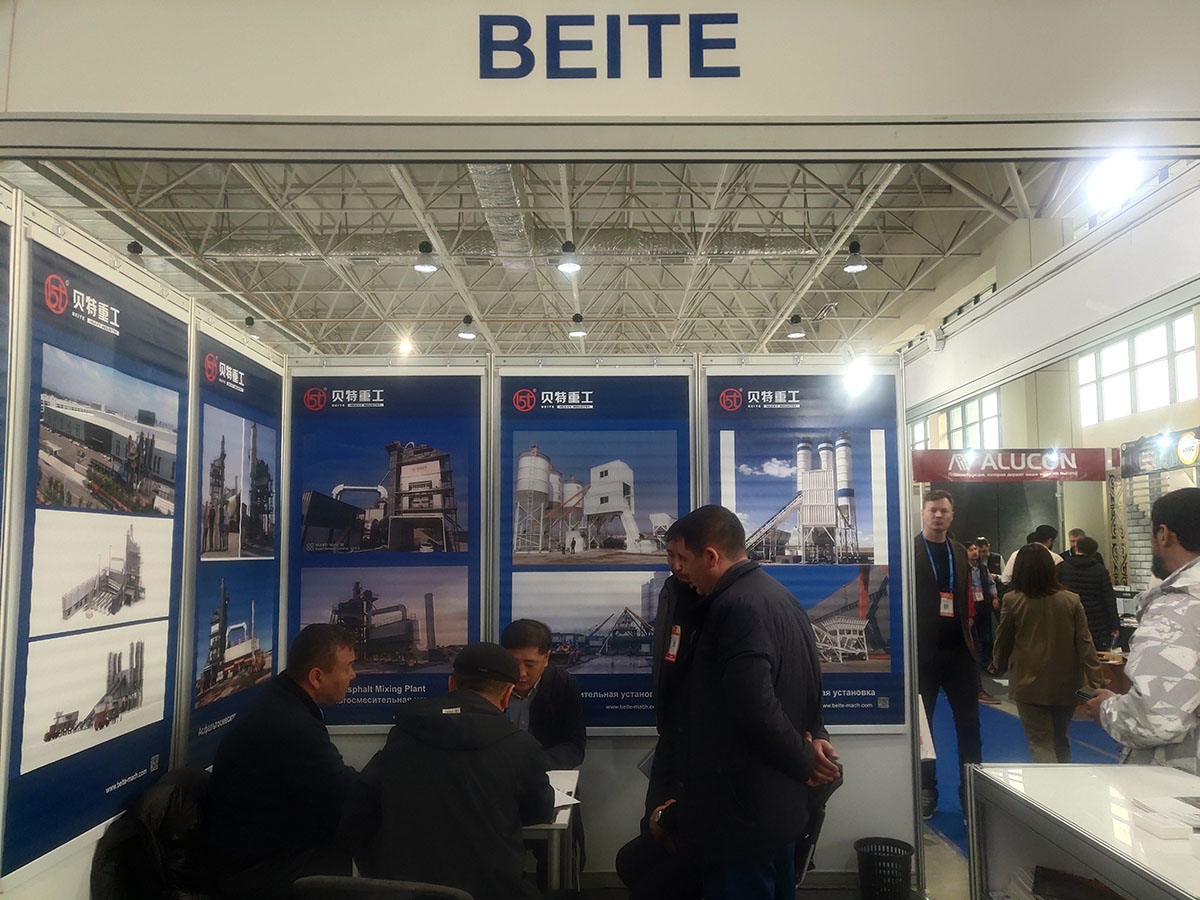
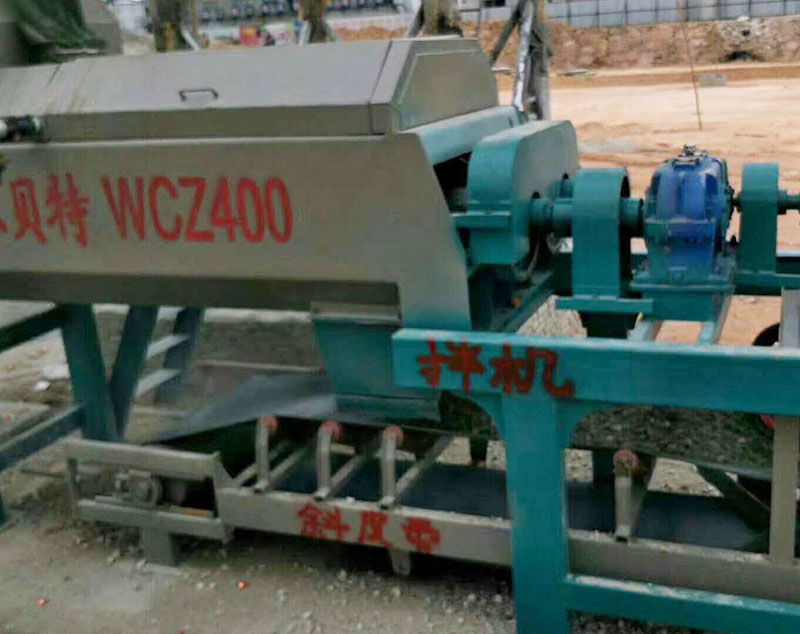
Official Beite Equipment Photography

Request a Technical Proposal
Send your project requirements to Beite Heavy Industry's international sales desk. Andy will provide a model recommendation, configuration information, and a technical proposal.
International Sales Contact: Andy · WhatsApp: +86 15116183980 · lkvicky2003@gmail.com